

Cleaning Validation
A Lifecycle Approach to Risk, Compliance, and Digital Transformation.
Last Updated: August 10, 2026
Cleaning Validation in Life Sciences
Cleaning validation is the documented, lifecycle-based process used to show that manufacturing equipment can be cleaned consistently to prevent unacceptable carryover and cross-contamination. An effective program connects science-based limits, equipment and product risk, sampling, execution records, change control, and ongoing review. When those activities are spread across paper files and spreadsheets, teams can lose traceability and spend more time reconciling data. This guide explains the foundations of cleaning validation and shows how digital cleaning validation can bring calculations, assessments, approvals, and evidence into a controlled workflow.
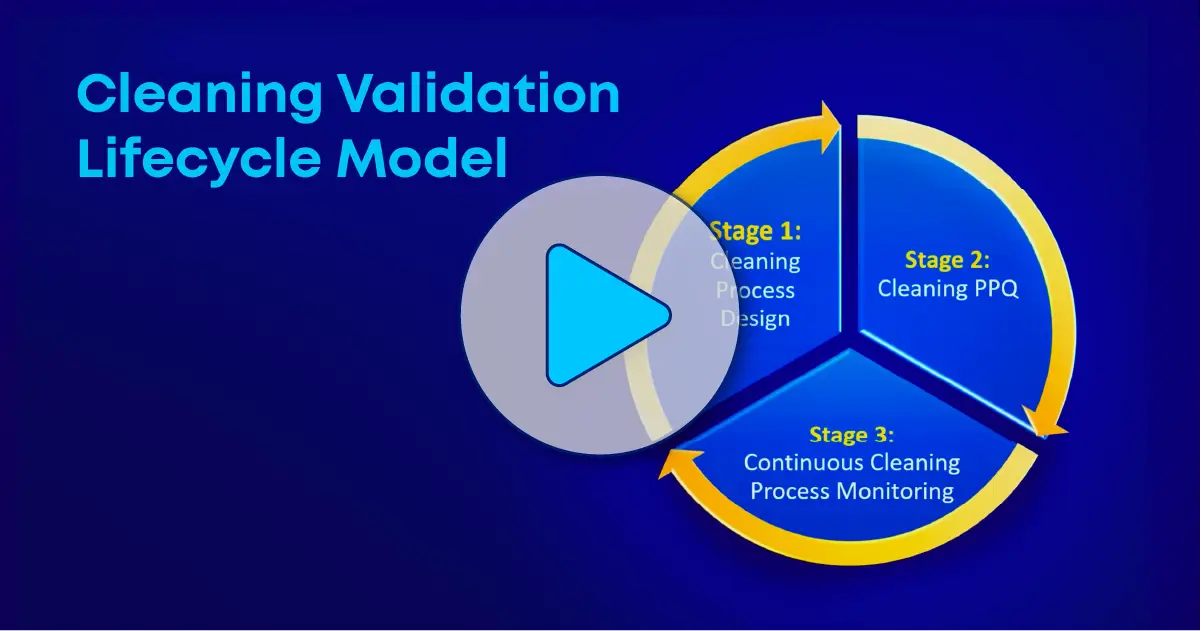
How cleaning validation works across the lifecycle
Cleaning validation protects product quality and patient safety by demonstrating that cleaning procedures remove residues and contaminants to established acceptance limits. It is more than a one-time protocol. A defensible program begins with the cleaning strategy, continues through product and equipment assessments, limit setting, worst-case selection, method and sampling considerations, protocol execution, and approval, then remains active through change control and periodic review.
The starting point is a clear scientific rationale. Teams need to understand the products manufactured on shared equipment, the equipment train and contact surfaces, cleaning agents, analytical methods, and the conditions that could make cleaning more difficult. Regulatory expectations for cleaning validation place emphasis on written procedures, documented evidence, and control of cross-contamination risk. Weak rationales, incomplete records, and inconsistent execution can create inspection exposure, as reflected in recurring cleaning-validation observations.
Acceptance limits translate the cleaning strategy into measurable criteria. Depending on the program, teams may manage health-based exposure limits, maximum allowable carryover calculations, analytical method limits, visual inspection criteria, and other justified thresholds. The practical challenge is not simply producing a number. Limits must be applied consistently across products, equipment, surface areas, and methods, and they must remain traceable when inputs change. A detailed guide to HBEL, MACO, 10 ppm, and visually clean criteria explains how these concepts fit into limit setting.
Risk-based grouping and worst-case selection help teams focus validation effort where it matters most. The rationale should use predefined, reviewable criteria rather than informal judgment. Equipment design also affects cleanability and sample accessibility, so the relationship between equipment design and sampling plans should be considered early. Once the protocol is executed, deviations, results, approvals, and supporting evidence need to remain connected to the decisions they support.
Documentation is the thread that holds these activities together. A reviewer should be able to follow a decision from its approved procedure and source inputs through calculations, sampling locations, results, deviations, and final disposition. Records also need enough context to show who performed and reviewed the work and which version of a procedure, method, or limit applied. When data is copied between files or approvals occur outside the controlled record, reconciliation becomes harder and the rationale can become separated from the evidence. Clear ownership, controlled templates, defined review points, and traceable updates make the program easier to operate and defend.
The lifecycle continues after initial validation. Changes to products, equipment, cleaning agents, procedures, analytical methods, or other program inputs may affect the validated state. Structured impact assessments in cleaning validation help teams determine what must be reviewed, recalculated, or repeated. Ongoing oversight also helps organizations identify gaps before they become the types of deficiencies discussed in guidance on avoiding common FDA 483 observations.
Digital Cleaning Validation
Digital cleaning validation applies controlled workflows and centralized data to the full cleaning-validation lifecycle. It replaces disconnected calculations, documents, email handoffs, and locally maintained spreadsheets with linked records that can be reviewed, approved, updated, and traced. The goal is not merely to convert paper into electronic files. It is to manage the scientific relationships among products, equipment, cleaning agents, methods, limits, assessments, protocols, deviations, and changes.
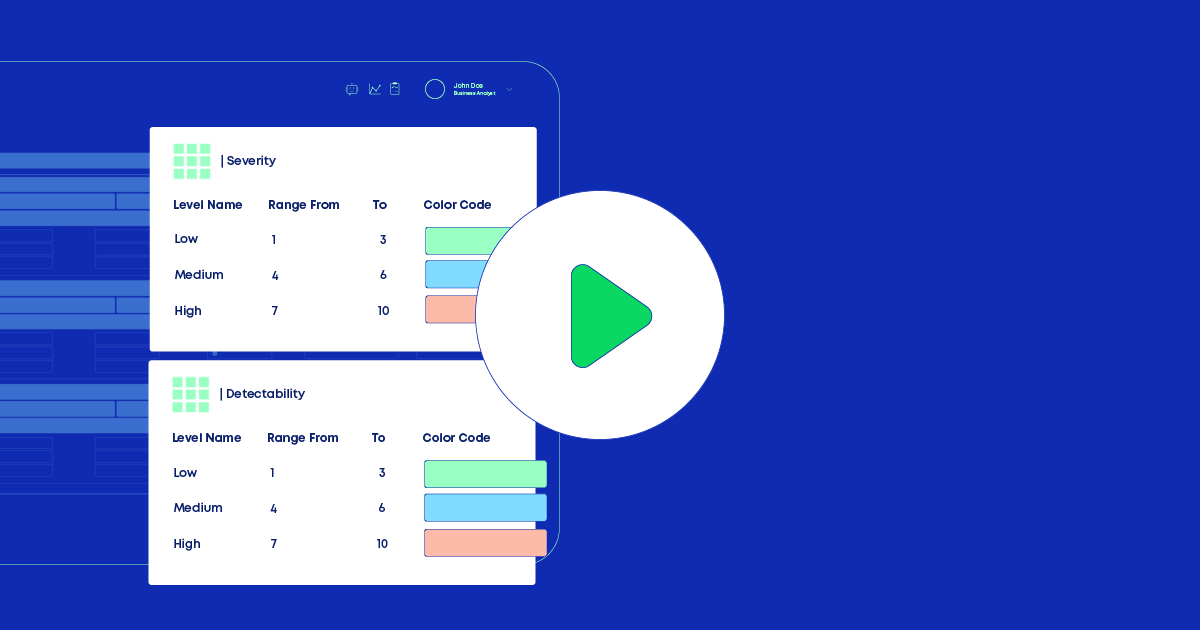
A practical digital model starts by standardizing data and decision rules. Product and equipment assessments can use consistent criteria; worst-case identification can follow a documented scoring approach; residual-limit calculations can use governed inputs; and protocol activities can route through controlled approvals. The digital cleaning validation lifecycle illustrates how these elements can be connected from initial assessments through documentation and quality metrics. A focused session on residual limits as a governed system also shows why calculations should remain linked to product, equipment, toxicology, analytical, and change-control information rather than living in isolated worksheets.
Implementation should begin with process design, data ownership, and governance. Teams should map the current lifecycle, identify authoritative data sources, define review and approval responsibilities, and decide how changes propagate through related records. Standard templates are useful, but they need controlled rationale and visibility to support variation across equipment, sites, and operating models. The webinar on cleaning validation at scale addresses the balance between global frameworks and justified local differences.
Digital workflows can also improve execution discipline. Guided evidence capture, electronic signatures, automated checks, linked deviations, and real-time status can make missing or inconsistent information easier to detect. The short overview of risk-based digital cleaning validation shows how centralized data, justified limits, sampling visualization, impact analysis, and audit trails can work together. Teams planning the transition should validate the system, manage change, train users, and phase adoption so the new workflow strengthens control without disrupting operations.
Frequently Asked Questions
Cleaning validation is the documented demonstration that approved cleaning procedures consistently control residues and cross-contamination on manufacturing equipment. It includes scientific limit setting, risk assessment, sampling and testing, protocol execution, review, and lifecycle maintenance.
Products, equipment, methods, cleaning agents, and manufacturing conditions change. A lifecycle approach keeps the original rationale connected to impact assessment, change control, ongoing verification, and periodic review so the validated state can be maintained.
Teams establish justified criteria, connect them to the relevant products and equipment, account for analytical method capability, and retain the inputs and approvals behind each calculation. The webinar on digitizing carryover calculations explores the risks of managing these decisions in manual or disparate tools.
Worst-case selection uses defined risk criteria to identify representative products, equipment, or conditions for validation. A traceable approach makes the scoring logic and selection rationale reviewable as program inputs change. See the automated worst-case identification walkthrough for a digital example.
They can standardize templates, guide evidence capture, control approvals, retain audit trails, and provide current program visibility. This reduces the reliance on manual transfer and reconciliation that can create data gaps. The webinar How Digital Cleaning Validation Averts Compliance Pitfalls covers these controls and implementation considerations.
Map the current lifecycle and its decision points. Identify source data, calculation logic, document handoffs, roles, and change triggers. Then define the future workflow, governance, migration, system validation, and training plan before configuring or scaling the solution.
Conclusion
A cleaning-validation program is strongest when its limits, risk decisions, execution evidence, and changes remain connected throughout the lifecycle. Digital cleaning validation gives teams a structured way to govern those relationships, reduce fragmented handoffs, and maintain traceable records. The next step is to map the current process and identify where manual calculations, disconnected documents, or unclear ownership create the greatest control risk. Then use the real cost of manual cleaning validation as a practical discussion starter for the quality, validation, manufacturing, and IT stakeholders who will shape the future workflow.