How Digital Cleaning Validation Connects the Lifecycle
Digital cleaning validation is an operating model for managing cleaning-validation knowledge and execution as one connected process. Instead of distributing calculations, protocols, approvals, and evidence across separate files and systems, it links the data behind each decision to the workflows that apply it. This makes the program easier to govern as products, equipment, methods, and operating conditions change.
The underlying requirements do not disappear when the process becomes digital. A sound program still needs written procedures, defined responsibilities, cleaning records, risk assessments, and scientifically justified acceptance criteria. The regulatory expectations for cleaning validation require teams to explain how limits were established, why products or equipment were selected as worst cases, how sampling locations were chosen, and how deviations and changes were evaluated.
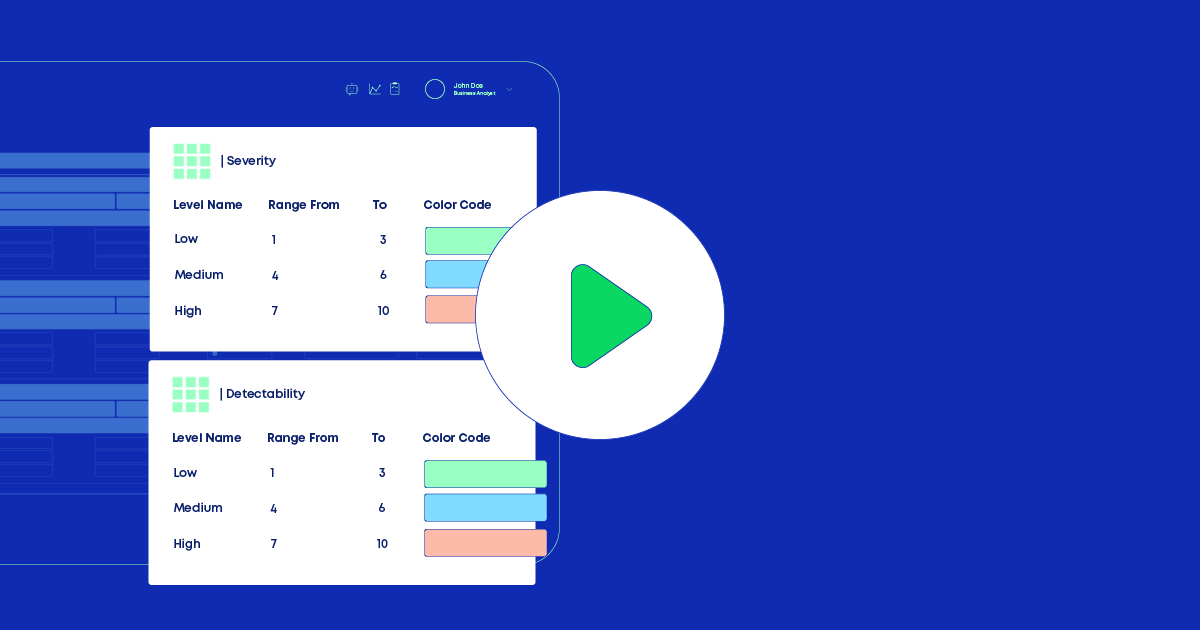
In a digital model, product, equipment, cleaning-agent, analytical-method, and sampling data can be connected to the decisions that depend on them. Standardized rules support product and equipment assessments, worst-case identification, residual-limit calculations, and critical cleaning matrices. The overview of HBEL, MACO, 10 ppm, and visually clean criteria shows why limit setting needs scientific justification and controlled inputs. As portfolios and equipment trains become more complex, calculation traceability becomes as important as the result. ![[BP]-Why-Established-Pharma-Sites-Need-a-Digital-Cleaning-Validation-Strategy](https://www.valgenesis.com/hs-fs/hubfs/%5BBP%5D-Why-Established-Pharma-Sites-Need-a-Digital-Cleaning-Validation-Strategy.webp?width=332&height=174&name=%5BBP%5D-Why-Established-Pharma-Sites-Need-a-Digital-Cleaning-Validation-Strategy.webp)
Worst-case selection can use predefined, reviewable criteria rather than subjective judgment or a manually maintained spreadsheet. Equipment design also shapes the strategy. A defensible sampling plan informed by equipment design considers difficult-to-clean and difficult-to-sample locations rather than treating every surface as equivalent.
The practical difference is clearest during execution. Paper records move between operators, production, laboratories, and QA. Missing initials, incorrect document versions, delayed review, and manual transcription can hold up equipment release. The video on three production delays caused by old-school cleaning validation shows how these points of friction accumulate. Digital workflows can check entries as work is performed, route exceptions for review, preserve electronic signatures, and provide current status without rebuilding it manually.
Digitalization also strengthens lifecycle governance. The digital cleaning validation lifecycle connects automated assessments, worst-case selection, residual limits, documentation, project dependencies, and quality metrics. Changes to products, equipment, cleaning agents, procedures, or analytical methods can trigger structured impact assessments in cleaning validation, helping teams determine what requires review, retesting, requalification, or documented justification.
For multi-site organizations, centralized frameworks and reusable validation objects can provide consistency while allowing justified local differences. Cleaning Validation at Scale explores this balance. The goal is not to reproduce paper forms electronically. It is to make rationale, execution evidence, approvals, and change history easier to review and defend.
Inspection risk often appears in the gaps between activities. Weak documentation, inconsistent execution, incomplete investigations, poor worst-case logic, and fragmented records make decisions difficult to reconstruct. That helps explain why cleaning validation remains a focus of FDA 483 observations and why teams should understand common cleaning-validation inspection observations. The case for modernizing cleaning validation for compliance is therefore about governing the complete lifecycle. The iClean overview shows how risk-based workflows, justified limits, and digital control can operate together.