Automated Validation and Centralized Data: The Future of CPV Compliance


Summary
This paper explains why biopharmaceutical manufacturers are moving from manual CPV to digital CPV that supports real-time monitoring, faster trend detection, and stronger data integrity.
It connects CPV expectations to guidance such as FDA process validation, GAMP 5, and ICH Q8–Q12, then outlines how centralized data and automation enable lifecycle oversight, audits, and faster reporting.
Key takeaways
- Digital CPV supports early detection of variability through automated data collection, real-time analytics, dashboards, and rule-based alerts.
- Centralized, validated data creates a single source of truth for inspections, submissions, and cross-site CPV, with audit trails and traceability.
- A practical workflow includes defining CQAs/CPPs/CMAs via risk analysis, selecting reference batches, then configuring control limits and capability metrics (CpK/PpK).
Who is this for
- CPV program owners and process monitoring leads
- Quality assurance and data integrity specialists
- Process validation and computer software assurance (CSA) teams
- Manufacturing science and technology (MSAT) professionals
- Regulatory affairs and inspection readiness teams
- Continuous manufacturing engineers and operations leaders
- Digital transformation / Pharma 4.0 program managers
Download your Industry Insight
Automated Validation and Centralized Data: The Future of CPV Compliance
Biopharmaceutical manufacturing has been shaped by breakthroughs in advanced digital technologies that align with evolving global regulatory expectations. Embracing Industry 4.0 empowers operational excellence, leading to better patient outcomes through higher-quality products and more efficient production methods.
A seamless digital continued process verification (CPV) aligns with Industry 4.0 objectives by transforming raw data into actionable insights and ensuring the process remains in a state of control during commercial manufacturing. While manufacturers still rely on manual or semi-digital methods, the move toward intelligent CPV—powered by automation and real-time analytics—represents a critical next step. As complexity increases and regulatory expectations evolve, this shift is not merely a technological upgrade but a strategic necessity.
Automated CPV reduces manual errors, accelerates trend detection, and enables faster risk mitigation, transforming quality monitoring from a reactive task into a real-time function while elevating the role of human expertise. However, supporting dynamic, compliant, and efficient manufacturing requires a centralized infrastructure, lifecycle-driven process oversight, and integrated real-time analytics.
Centralized data management unlocks collaboration, insight, and compliance within a validated, unified data environment. Companies gain a single source of truth, facilitating regulatory audits and improving cross-functional communication across quality, manufacturing, validation, and regulatory affairs teams.
With new challenges and opportunities emerging, the demand for continuous adaptation and innovation is especially critical in the regulatory field.
This Industry Insight explores how companies can redefine CPV by shifting from manual, retrospective practices to a proactive, data-driven strategy. Embracing automation and centralized data management enables real-time quality oversight, regulatory alignment, and continuous lifecycle process improvement. Automated CPV, underpinned by statistical process control, defines the future of biopharmaceutical manufacturing—supporting sustained competitiveness in a digital-first world through higher product quality, faster adaptation, and continuous improvement.
Introduction
The pharmaceutical industry is experiencing a paradigm shift driven by the increasing complexity of drug manufacturing, the rise of personalized medicines, and the growing pressure from global regulatory agencies for continuous oversight. In this evolving landscape, CPV has emerged as a cornerstone of modern pharmaceutical quality systems, ensuring that commercial manufacturing processes remain in a validated state of control over time.
At the same time, advances in digital technologies are redefining how data is captured, analyzed, and applied in real time. This convergence of regulatory demands and technological opportunity is accelerating the transition from manual, retrospective CPV practices to intelligent, automated, and lifecycle-driven digital CPV systems.
Digital CPV supports proactive quality management by enabling early detection of process variability, facilitating real-time decision-making, and reducing the burden of manual data collection. More importantly, it helps manufacturers align with regulatory frameworks such as GAMP 5, the FDA’s process validation guidance, and ICH Q8–Q12, which emphasize risk-based process design, lifecycle management, and data integrity.
This Industry Insight explores how organizations can modernize their approach to CPV through the integration of digital technologies and centralized data infrastructures. It discusses the regulatory context, the benefits of digitalization, and the role of enabling technologies such as artificial intelligence (AI), the Internet of Things (IoT), and digital twins. It also provides a practical framework for implementing digital CPV and highlights a successful digital CPV application case study at a global pharmaceutical company using the ValGenesis platform.
By embracing digital CPV, manufacturers can transform compliance into a strategic advantage, ensuring product quality, regulatory alignment, and operational excellence in an increasingly complex and competitive environment.
The Regulatory Imperative for Intelligent CPV
The biopharmaceutical industry is undergoing a significant transformation, shaped by the growth of personalized medicines, the increase in demand for novel therapies, and heightened regulatory scrutiny.
Regulatory agencies worldwide are moving away from static, document-based compliance toward dynamic, data-driven oversight. The integration of digital platforms fosters a culture of innovation, continuous improvement, and proactive compliance management aligned with operational excellence.
Pharma 4.0, a manufacturing paradigm derived from Industry 4.0 and introduced by ISPE in 2017, represents this shift, with the promise to revolutionize drug manufacturing and logistical operations. It integrates advanced technologies such as AI, IoT, machine learning (ML), cloud infrastructure, cybersecurity, and big data analytics, enabling smart factories that operate with little to no human intervention.
Realizing the full benefits of digital transformation requires a comprehensive, holistic roadmap. Leveraging risk management and in-depth analysis of the product and process—aligned with business objectives that foster a culture of continuous improvement and innovation—enables progressive digital maturity.
The regulatory landscape is evolving, propelled by digital technology breakthroughs. Agencies like the FDA and frameworks such as GAMP 5 and ICH Q8–Q14 emphasize lifecycle-driven process control, data integrity, and real-time quality assurance.
The FDA’s Process Validation: General Principles and Practices guidance, issued in 2011, introduced CPV as “a system of systems for detecting unplanned departures from the process as designed…” being the “…continual assurance that the process remains in a state of control (the validated state) during commercial manufacture…”. Thus, CPV acts as a “surveillance program” that reinforces both quality management and compliance.
Implementing a digital CPV plan requires adherence to key regulatory guidelines and recommendations, including GAMP 5, the FDA’s process validation guidance, and PDA’s Technical Report 60 (TR 60). The ICH guidelines are designed to interconnect and to provide a robust framework that supports pharmaceutical development, quality risk management, lifecycle management, and quality management, ensuring comprehensive quality assurance across all stages of the product lifecycle. This integrated approach enables companies to produce high-quality, safe, and effective products—ultimately benefiting patients worldwide.
Understanding risks and their mitigation strategies, as well as defining a control strategy per ICH Q9, is vital to designing processes and products under the Quality by Design (QbD) framework outlined in ICH Q8 (ICH, 2009, 2023). Comprehensive pharmaceutical quality systems frameworks (ICH Q10) enhance the development and manufacture of drug substances (ICH Q11) through QbD principles (ICH Q8), highlighting that quality is built into products and into their lifecycle management (ICH Q12). Quality is ensured through continuous improvement strategies (ICH Q10) that rely on QbD and risk mitigation principles to optimize and develop processes as new technologies and scientific knowledge emerge. Following these guidelines allows companies to be at the forefront of innovation (ICH, 2009, 2012, 2015, 2019, 2023).
Digital, automated CPV is not only a regulatory expectation but also a strategic enabler. It facilitates early detection of sources of variability, enabling a more complete control strategy and strengthening both process robustness and process knowledge.
Benefits of Data Digitalization
The digital journey toward Pharma 4.0 has taken on a more existential dimension, driven by the integration of digital technologies such as AI, IoT, and big data analytics. Pharma 4.0 promotes the shift from reactive, manual operations toward predictive, data-driven systems. This is particularly impactful for CPV.
A manual CPV poses a high risk of data integrity failures, compromising its own effectiveness. Consequently, excessive effort is spent on aggregating, organizing, and compiling data, rather than analyzing it and implementing improvement actions. In contrast, a digital CPV is automatic, predictive, and responsive. A digital and online CPV system aims to ensure data integrity and traceability through a scalable, simple, robust, and repeatable workflow. Additionally, it integrates systems for data acquisition and storage in real-time into a centralized environment, enabling real time trend assessment and supporting timely decision-making, while enhancing overall process understanding, knowledge management, and continuous improvement.
The value derived from a digital CPV implementation extends beyond operational efficiencies. The system’s ability to document and demonstrate a thorough understanding of product and process risks facilitates regulatory compliance. This transparency enhances the quality of regulatory submissions, reduces the likelihood of inspection findings, and accelerates approval timelines. Digital tools also shorten development cycles by expediting risk assessments and supporting optimized experimental designs. Knowledge sharing is improved, and reporting timelines are reduced, with quality documents such as critical quality attribute (CQA) assessments and control strategy summaries generated quickly and accurately. Routine tasks are automated, decision-making is accelerated, and communication across teams is enhanced through shared access to a centralized platform. The ability to tailor reports to the specific needs of internal and external stakeholders further supports agile and informed decision-making.
Overall, a digital and online CPV system promotes a proactive approach to problem-solving while transforming CPV from a regulatory obligation into a strategic tool for sustained quality and innovation.
Implementing robust, global CPV frameworks requires consistency, accessibility, and scalability—all of which are ensured by centralized data management. By integrating data across systems, sites, and products, companies can identify trends, update risk classification, and manage lifecycle changes more effectively.
Digitalization becomes even more crucial in the context of continuous biopharmaceutical manufacturing due to its complex nature.
Continuous processes require accurate control measurements to keep the process in a steady state. Since usually continuous processes operate for long periods of time, the probability of process anomalies is increased when compared to batch processes. As soon as the process begins to deviate from the ideal condition, it is crucial to have a precise and prompt response.
Preventing the process from reaching “points of no return” requires proactive behavior rather than reactive behavior. Here, manual CPV is insufficient, often identifying deviations after product quality has been affected. The transformation from reactive process management to real-time monitoring is made possible by digital CPV, which combines process data, risk models, and predictive analytics. This allows for operational excellence in continuous processes.
Implementing digital CPV enables continuous processes to fully benefit from digitalization and Industry 4.0. The global Pharma 4.0 market, projected to reach $62.7 billion by 2032, reflects the scale of this transformation. Organizations that make early investments in automation and digital CPV will be in the best position to lead in long-term innovation, patient outcomes, and regulatory alignment.
Benefits of Data Centralization
Data centralization is at the core of digital transformation in the pharmaceutical industry and across industries in general. Laying the foundation for smart factories and intelligent operations, a centralized data infrastructure unifies disparate sources—such as LIMS, MES, ERP systems, and electronic batch records (EBRs)—into a single, validated environment. This enables seamless integration of information across the entire product lifecycle, from development to commercial manufacturing.
Real-time monitoring of process data becomes possible through this infrastructure, empowering companies to automate routine processes, respond proactively to deviations, and maintain optimal operating conditions. This results not only in improved product quality but also in enhanced patient safety.
Centralized data also transforms regulatory readiness. It provides a single source of truth for audits, inspections, and internal reviews, eliminating the need for manual or retrospective data collection and breaking down data silos. Automated data validation, audit trails, and traceability further ensure data integrity and compliance with global regulatory frameworks, such as those from the FDA and EMA. As agencies increasingly encourage digital transformation, having harmonized and validated data systems streamlines regulatory submissions and accelerates approvals.
Importantly, this infrastructure supports global operations and facilitates multisite CPV strategies. With a centralized cloud-based platform, organizations can achieve real-time visibility across facilities in different parts of the globe, fostering consistent quality and process performance worldwide. This integrated environment also enhances collaboration across departments, promoting efficient knowledge transfer and cross-site standardization.
Automated Validation and CPV
Continued process verification is critical in ensuring consistent product quality throughout the pharmaceutical lifecycle. The FDA’s 2011 process validation guidance defines CPV as the third stage of the process validation lifecycle, following process design (stage 1) and process qualification (stage 2). Its goal is to provide ongoing assurance that a manufacturing process remains in a state of control during commercial production. Continued process verification achieves this by continuously collecting and analyzing product and process data to monitor quality attributes and detect variability that may not have been evident in earlier stages.
Today’s pharmaceutical landscape demands real-time, data-driven process oversight. Regulators and industry leaders recognize that embracing automation and centralized data management is not merely a technological upgrade—it’s a strategic necessity for organizations that aim to remain competitive and future-proof their operations.
The FDA’s process validation guidance and ICH Q8–Q11 emphasize continuous, lifecycle-based process monitoring. Agencies expect manufacturers to go beyond initial validation and demonstrate ongoing control and continuous improvement of processes. Intelligent CPV meets this expectation by shifting CPV from a static, compliance-focused task to a dynamic, continuous function that supports real-time process control and capability assurance (ICH, 2009, 2012, 2015, 2019).
Digital CPV systems represent the evolution of traditional process monitoring, augmenting human expertise with actionable intelligence. Rather than replacing subject matter experts, intelligent CPV tools elevate their role, enabling them to focus on strategic decision-making instead of manual data gathering.
Ultimately, digital CPV transforms quality and validation professionals from data collectors into strategic process stewards—driving innovation and ensuring that manufacturing processes consistently meet regulatory expectations and patient needs.
The concept of Validation 4.0 underscores this evolution by redefining validation as a continuous, data-driven process. Validation 4.0 places data as the foundational element for validation and decision-making, shifting the focus to managing data that supports GxP decisions through a QbD perspective. Consequently, validation evolves from qualification testing to an ongoing activity based on real-time evidence that processes remain in control. With that objective, digital tools are vital as they enable instantaneous reporting and notifications, providing primary evidence that the process is maintained in a state of control.
A complete digital CPV solution allows data integration, automatic data collection, metric updates, alarm triggers, and automated reporting, improving product quality assurance and operational excellence. Moreover, it enables timely action on deviations and improvements, enhancing regulatory compliance while reducing validation costs and accelerating product development.
In parallel, the industry is witnessing a transition from computer system validation (CSV) to computer software assurance (CSA). This shift emphasizes risk-based validation approaches and greater use of automation and modern software tools. Computer software assurance aligns perfectly with intelligent CPV by promoting smarter, more efficient validation processes that support continuous improvement and real-time quality oversight.
Pharma 4.0
Pharma 4.0 integrates AI, ML, IoT. and digital twin technology into pharmaceutical manufacturing. These technologies are crucial for enabling digital CPV, automated validation, predictive process control, and centralized data management.
Artificial intelligence and machine learning
Artificial intelligence and ML enhance decision-making through advanced analytics, predictive modeling, and automation. They excel at analyzing vast datasets, identifying patterns, and making predictions, making them powerful tools for CPV plans. When applied to real-time monitoring, AI and ML transform raw data into actionable insights, ensuring product quality and compliance with unprecedented precision and efficiency.
The integration of AI and ML into digital CPV shifts reactive monitoring into a proactive, predictive capability, enabling continuous assurance. These technologies may uncover complex patterns, detect subtle process shifts, forecast deviations, and suggest corrective actions before issues escalate.
Next-generation tools support real-time risk assessments, deepen understanding of lifecycle processes, and power decision-support systems. Regulatory agencies increasingly support AI/ML adoption through evolving guidance, such as ICH Q9(R1).
Embedding AI-powered CPV within a centralized data infrastructure allows organizations to implement robust, real-time lifecycle process optimization across global operations. Feedback loops across development, manufacturing, and post-market surveillance create dynamic, learning organizations that continuously improve product quality and operational efficiency.
Internet of Things
The IoT is vital for real-time monitoring and automated data collection across the manufacturing industry. IoT sensors embedded in equipment and facilities continuously collect process data—such as temperature, pH, pressure, and flow rate—which feed directly into CPV analytics.
In a digital CPV system, IoT enables real-time data collection, which AI algorithms analyze through multivariate process control, to proactively detect potential deviations. This is critically important in continuous manufacturing.
Digital Twin Technology
Digital twins introduce a new dimension to digital CPV. They are real-time virtual representations of physical manufacturing processes that mirror operations using live data. This allows them to simulate process behavior, test and evaluate potential scenarios, assess the impact of pre-implementation changes, optimize physical manufacturing systems and processes, or stress existing control strategies in smart manufacturing.
For CPV, digital twins provide a framework to visualize and represent the process, validate control strategies, and evaluate failure modes. Digital twin technology enables real-time verification and lifecycle-based validation, supporting the transition to data-driven compliance.
Ultimately, digital twins transform CPV into an adaptive, predictive, living validation model that is data-driven, proactive, and continuously optimized. They improve process efficiency, ensure consistent product quality, and comply with regulatory requirements.
A digital CPV framework powered by AI, IoT, and digital twin technology offers continuous monitoring, predictive analytics, and automated response as well as a dynamic, intelligence-driven system. These advanced technologies elevate digital CPV by improving product quality, reducing human error, increasing process agility, and ensuring consistency throughout the product lifecycle.
Moreover, this model allows compliance to be real time, built in, and intelligent, rather than episodic. Digital CPV is a foundational element of Pharma 4.0, equipping manufacturers to navigate the complexities of modern pharmaceutical manufacturing with greater confidence, resilience, and foresight.
The Future of CPV Compliance
As pharmaceutical companies shift toward data-driven quality systems, understanding how to effectively implement a digital CPV strategy becomes essential. The following section outlines a practical framework for developing a digital CPV plan—from defining critical variables to configuring control strategies—and illustrates how one global pharmaceutical manufacturer successfully transitioned from manual processes to a centralized, automated system.
A use case approach
The traditional approach to establishing a manual CPV plan presents several operational and compliance-related challenges, as described throughout this paper. Manual CPVs are resource-intensive, requiring time-consuming data collection, chart generation, and report compilation, leaving less time for data analysis and implementation of continuous improvement actions.
The implementation of a digital CPV framework begins with clearly defined objectives. These include ensuring alignment with internationally recognized standards and regulations, such as GAMP 5, the FDA’s process validation guidance, and PDA’s TR 60, as well as compliance with any applicable regional requirements.
A primary goal is to guarantee data integrity and streamline the CPV setup across a wide range of products using a robust, consistent, and repeatable workflow. The ability to monitor process performance in real time is critical. Integration of data acquisition and storage systems is also essential, as is accelerating periodic reporting to support timely regulatory submissions and decision-making.
Following the establishment of objectives, the next phase involves designing the implementation strategy to ensure regulatory compliance (Figure 1). A foundational step is integrating existing data systems, allowing process data to be automatically aggregated within the digital CPV platform. This enables real-time monitoring and analysis. It is equally important to provide comprehensive training for operational teams and establish formal standard operating procedures (SOPs) to govern system use. A pilot environment should be established where process, quality, and risk data are consolidated into a central database, serving as the single source of truth for the digital CPV system.
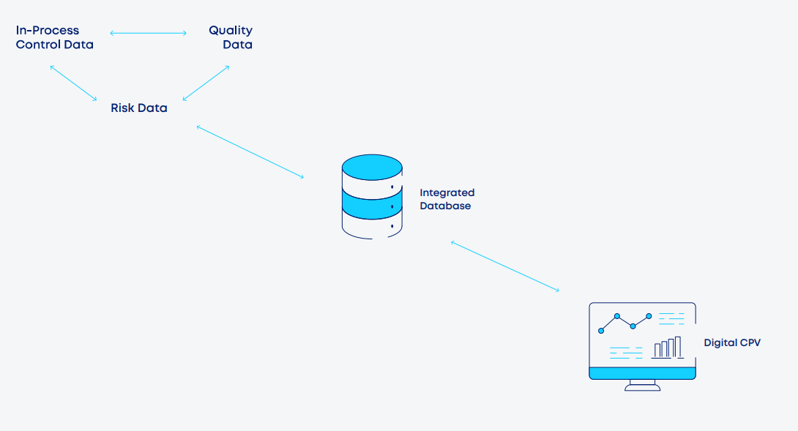
Figure 1. Digital CPV plan development workflow
A digital CPV plan development workflow
A digital CPV workflow consists of three main steps: critical variable definition, reference batch selection, and variable configuration.
-
Critical variable definition: Critical quality attributes (CQAs), critical process parameters (CPPs), and critical material attributes (CMAs) are identified based on risk analysis. Ideally, a digital risk management platform, leveraging both data and process knowledge, is used to perform this risk analysis.
-
Reference batch selection: A multivariate approach should be used to select representative batches, creating a solid starting point for the CPV (see Figure 2). The reference batches—selected with consideration for variability in CQAs, CPPs, and CMAs—define the design space of the manufacturing process, establishing the foundation for routine monitoring and deviation detection.
-
Variable configuration: Statistical control limits for each identified CQA, CPP, and CMA are configured, defining the statistical criteria for each critical variable control chart (see Figure 3) alongside other capability metrics like Process Capability Index (CpK) and Process Performance Index (PpK), which are measured during routine monitoring (see Figure 4). This step defines the control strategy and how each variable will be monitored during ongoing operations.
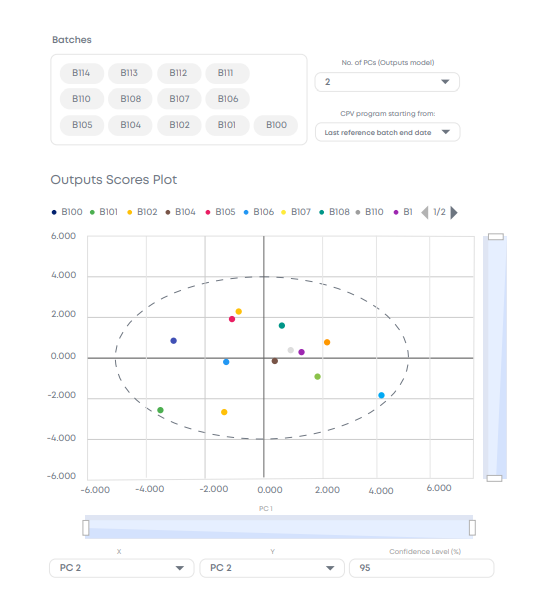
Figure 2. Selection of reference batches according to multivariate CQA analysis
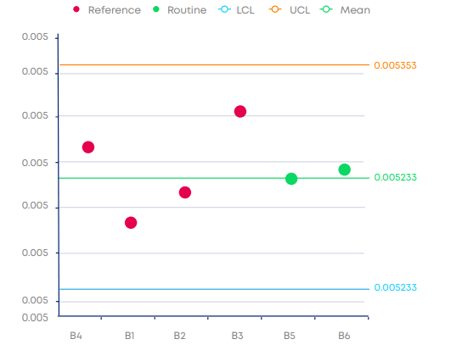
Figure 3. Definition of control limits
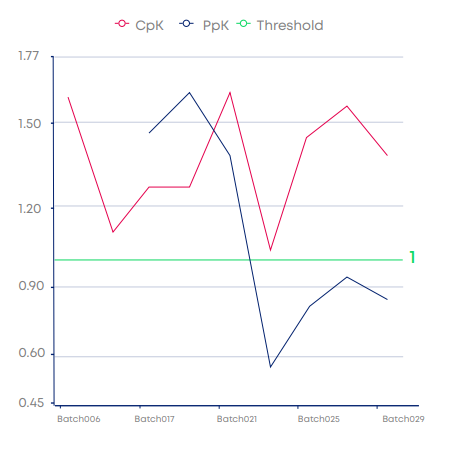
Figure 4. Calculated CpK and PPKs
Defining statistical control limits and response signals is essential in creating a CPV strategy aligned with QbD principles. Digital platforms enable the setup of rule-based alarms, such as the application of Westgard rules, using decision trees to trigger real-time notifications when statistical anomalies occur, facilitating timely corrective actions (see Figure 5).
A significant advantage of digital CPV is the ability to conduct real-time monitoring through intuitive, interactive dashboards. Users can access routine monitoring panels that display data in various formats—including principal component analysis (PCA) plots, control charts, or CpK/PpK plots—facilitating faster interpretation of trends and deviations. This enables a proactive approach to process control and quality assurance.
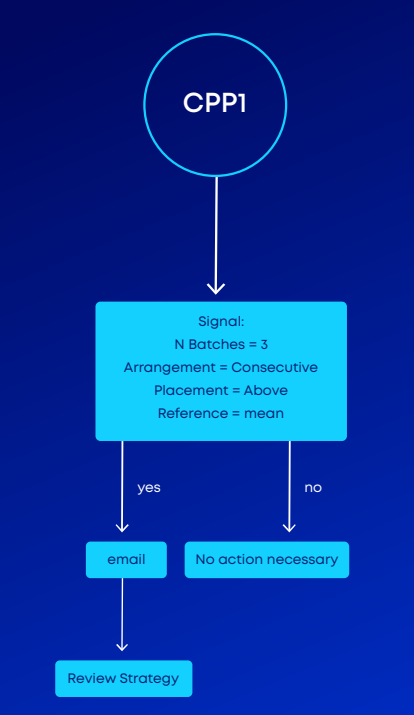
Figure 5. Definition of statistical signals
Case study: digital CPV implementation in a global pharmaceutical manufacturer
A practical example of a successful digital CPV implementation comes from a global pharmaceutical company that previously relied on a highly manual, resource-intensive CPV process. Data extraction was performed manually from ERP systems, requiring chronological sorting for each CQA and selected reference batch. Statistical analyses were conducted using external software, and results were compiled in word processors for manual reporting and detailed data analysis. These steps were very time-consuming and introduced potential data integrity risks. As a result, limited time was available for investigations when deviations occurred, often preventing effective root cause analysis and leaving the causes of excursions unexplained.
This project involved fully integrating previously paper-based and manual data systems into a centralized platform. Once data integration was complete, real-time process monitoring was enabled. The new system ensured data integrity through robust access controls and automated audit trails. Automated alarms and visual dashboards accelerated trend detection and improved statistical control, supporting real-time process monitoring. The implementation allowed the company to execute CPV plans across a broad product portfolio while meeting evolving regulatory compliance requirements. Reporting times were reduced from two weeks to just three days, and the workforce needed for CPV activities decreased substantially. All relevant personnel were trained in both the theoretical aspects and the practical use of the platform, leading to strong software adoption and increased organizational independence. Staff can now focus on higher-value activities such as data-driven decision-making and process optimization. Manual entry errors have been eliminated, and full traceability is ensured through automated audit trails, effectively resolving prior data integrity concerns.
Conclusion
In the Pharma 4.0 context, automated validation and central data management form the foundation for the future of CPV compliance.
As pharmaceutical manufacturing grows increasingly complex, intelligent, real-time, and proactive validation becomes essential for meeting regulatory expectations and achieving operational excellence.
Leveraging advanced technologies, including AI and IoT, enables organizations to elevate the CPV framework from a compliance requirement to an integrated, adaptable strategy across the product lifecycle.
Centralized data management, working with these advanced technologies, connects disparate systems, enhancing collaboration across different teams and borders, reducing time to market, and mitigating risks. By uniting centralized data, automated validation, and human expertise, intelligent CPV provides a foundation for continuous quality assurance, supporting the development of safer, more effective therapies for patients worldwide.
Data integrity and transparency must be maintained throughout the product lifecycle, enabled by cloud-based platforms and automated reporting tools. These capabilities foster a culture of continuous improvement while ensuring that the evolving requirements of global regulatory agencies are met.
To fully unlock the power of Pharma 4.0 and intelligent CPV, organizations need to embrace digital maturity and cultural transformation. As manufacturing complexity grows and regulatory expectations evolve, intelligent, automated CPV becomes a core element of modern process validation—improving efficiency, reducing errors, ensuring continuous compliance, and strengthening global competitiveness.
It’s time to embrace the Digital CPV!
References
- Arden, N. S., Fisher, A. C., Tyner, K., Yu, L. X., Lee, S. L., & Kopcha, M. (2021). Industry 4.0 for pharmaceutical manufacturing: Preparing for the smart factories of the future. International Journal of Pharmaceutics, 602, 120554. https://doi.org/10.1016/j.ijpharm.2021.120554
- Boel, J. (2023, May 23). Pharma 4.0: The future of pharmaceutical manufacturing. DBL Group. https://qbdgroup.com/en/blog/pharma-4-0-the-future-of-pharmaceutical-manufacturing/
- Bozzone, A. S., Baseman, H. S., Anicetti, V., Bennan, J., Blackton, M. N., & PDA Task Force on Technical Report No. 60. (2013). Technical report no. 60: Process validation: A lifecycle approach. Parenteral Drug Association. https://store.pda.org/TableOfContents/TR6013_TOC.pdf
- Food and Drug Administration. (2011). Guidance for industry: Process validation: General principles and practices. https://www.fda.gov/media/71021/download
- International Council for Harmonisation of Technical Requirements for Pharmaceuticals for Human Use. (2009). ICH guideline Q8(R2): Pharmaceutical development. https://database.ich.org/sites/default/files/Q8_R2_Guideline.pdf
- International Council for Harmonisation of Technical Requirements for Pharmaceuticals for Human Use. (2012). ICH guideline Q11: Development and manufacture of drug substances (chemical entities and biotechnological/biological entities). https://database.ich.org/sites/default/files/Q11_Guideline.pdf
- International Council for Harmonisation of Technical Requirements for Pharmaceuticals for Human Use. (2015). ICH guideline Q10: Pharmaceutical quality system. https://database.ich.org/sites/default/files/Q10_Guideline.pdf
- International Council for Harmonisation of Technical Requirements for Pharmaceuticals for Human Use. (2019). ICH guideline Q12: Technical and regulatory considerations for pharmaceutical product lifecycle management.
- International Council for Harmonisation of Technical Requirements for Pharmaceuticals for Human Use. (2023, February). ICH guideline Q9(R1): Quality risk management.
- ISPE. (2022). GAMP® 5: A risk-based approach to compliant GxP computerized systems (2nd ed.). International Society for Pharmaceutical Engineering. https://guidance-docs.ispe.org/doi/book/10.1002/9781946964571
- Ondracka, A., Gasset, A., García-Ortega, X., Hubmayr, D., van Wijngaarden, J., & Montesinos-Seguí, J. L. (2023). CPV of the future: AI-powered continued process verification for bioreactor processes. PDA Journal of Pharmaceutical Science and Technology, 77(3), 146–165. https://doi.org/10.5731/pdajpst.2023.012777
- Ullagaddi, P. (2024). Digital transformation in the pharmaceutical industry: Enhancing quality management systems and regulatory compliance. International Journal of Health Sciences, 12(1), 2372–5079. https://ijhs.thebrpi.org/journals/ijhs/Vol_12_No_1_June_2024/4.pdf
- Vuolo, M., & Margetts, D. (2021, March–April). Breaking with tradition: Laying the foundation for Validation 4.0. Pharmaceutical Engineering. International Society for Pharmaceutical Engineering. https://ispe.org/pharmaceutical-engineering/march-april-2021/breaking-tradition-laying-foundation-validation-40
Table of Contents


