

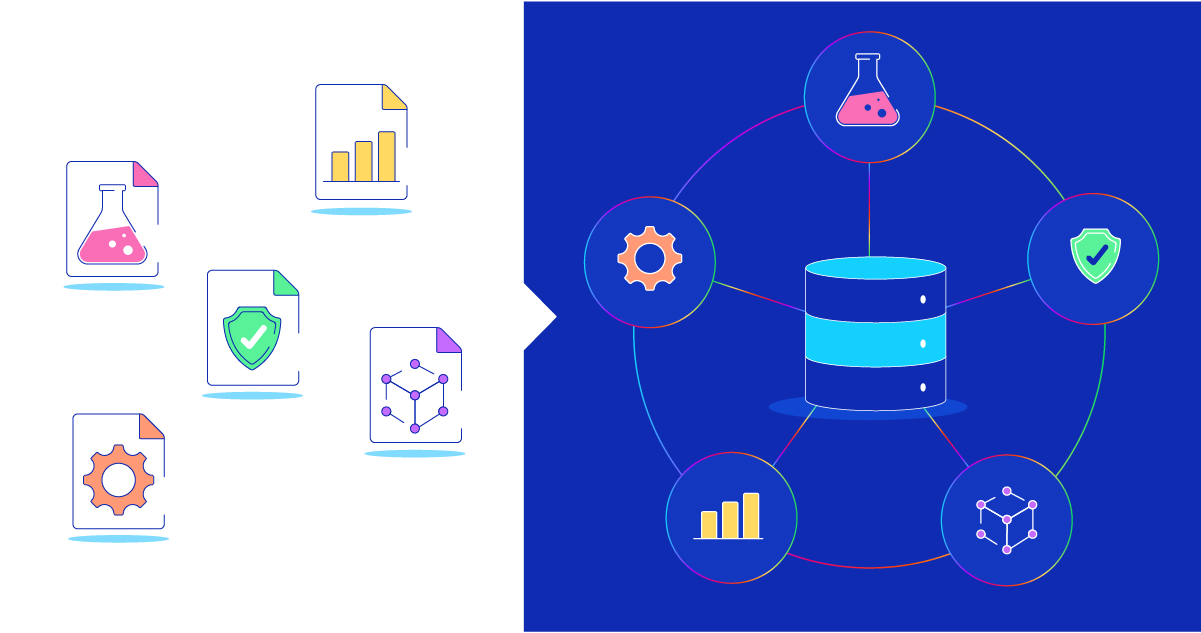
Life sciences companies have spent years moving validation from paper to electronic systems. Protocols can be authored digitally, reviews and approvals can happen electronically, and execution data can be captured on tablets instead of paper forms. Although this shift has delivered meaningful improvements in standardization, traceability, execution, and control, it raises an important question: Did we digitalize validation — or simply digitize the documents used to perform it?
A document can be electronic while the data inside it remains effectively trapped. Equipment attributes, process parameters, risks, requirements, specifications, test results, and other approved information may all exist digitally, yet still need to be searched for, interpreted, copied, or re-entered when another lifecycle activity needs them. The documents are digital, but the data doesn’t travel.
Digitizing documents changes how validation is recorded. Greater digital maturity goes further — connecting governed data, workflows, and knowledge so information can retain its context, relationships, and value across the lifecycle.
Digital Documents Are Not the Same As Connected Data
Consider a familiar example of when data doesn't travel: equipment data established during qualification that needs to be reused in cleaning validation. During CQV, teams may capture and approve information such as equipment ID, product-contact surface area, materials of construction, operating ranges, critical components, and qualification status. Product-contact surface area, for example, can be used to translate an established maximum allowable carryover (MACO) into equipment- or sampling-specific residue limits (PDA, 2012).
In a document-centric environment, both processes can be fully electronic and still depend on someone to retrieve approved equipment information and manually carry the relevant value into cleaning validation. Now consider what happens when that surface area changes. The equipment record may be updated and approved electronically, but the cleaning validation team must still recognize the dependency, identify affected limits and assessments, retrieve the updated value, and determine what requires reassessment. The documents are digital, but the data did not travel. People had to carry it from one digital process to another.
This is the difference between digitizing validation records and digitalizing the underlying data and workflows. Greater digital maturity comes when governed data is no longer confined to individual records but retains its context, relationships, and dependencies across the validation lifecycle.
What Does It Mean for Validation Data to "Travel"?
Data travel does not simply mean transferring information from System A to System B. It means keeping governed data, its source, approved status, and relationships connected for controlled reuse across activities, sites, and lifecycle stages.
Now consider the opposite scenario — when data does travel: process knowledge established during development that remains connected through PPQ and into continued process verification (CPV). During development, teams build understanding of critical quality attributes (CQAs), critical material attributes (CMAs), critical process parameters (CPPs), associated risks, the evolving control strategy, and the rationale behind those decisions. As the process progresses toward PPQ, that approved knowledge can remain connected to inform what needs to be demonstrated during qualification. Relevant CQAs, CPPs, ranges, risks, controls, and their relationships do not have to be reconstructed from separate development records.
That continuity can extend beyond PPQ. As the process moves into commercial manufacturing, critical parameters, quality attributes, and associated process knowledge can remain available to inform the CPV monitoring strategy and ongoing assessment of process performance. The result is continuity across the lifecycle — from process understanding and risk through control strategy, PPQ, and continued process verification (FDA, 2011).
Instead of each lifecycle stage recreating the same knowledge, governed data can retain its meaning, context, and relationships as it moves forward. The value is not simply data reuse but knowledge continuity — preserving what the organization already knows as a product, process, or asset moves through the lifecycle.
The Document Is Evidence. Connected Data is Reusable Knowledge.
Documents will continue to play an essential role in regulated environments; the point is not to eliminate them. The opportunity is to stop treating the document as the only usable form of the information, context, and relationships it contains. Within those records are requirements, risks, tests, results, and decisions that can remain valuable long after approval.
When those elements remain connected, validation knowledge becomes reusable. Requirements can remain linked to risks, tests, and evidence, while relationships among process, equipment, and validation data provide context for understanding what may be affected when something changes. That is fundamentally different from simply storing electronic records.
AI Makes This Distinction Even More Critical
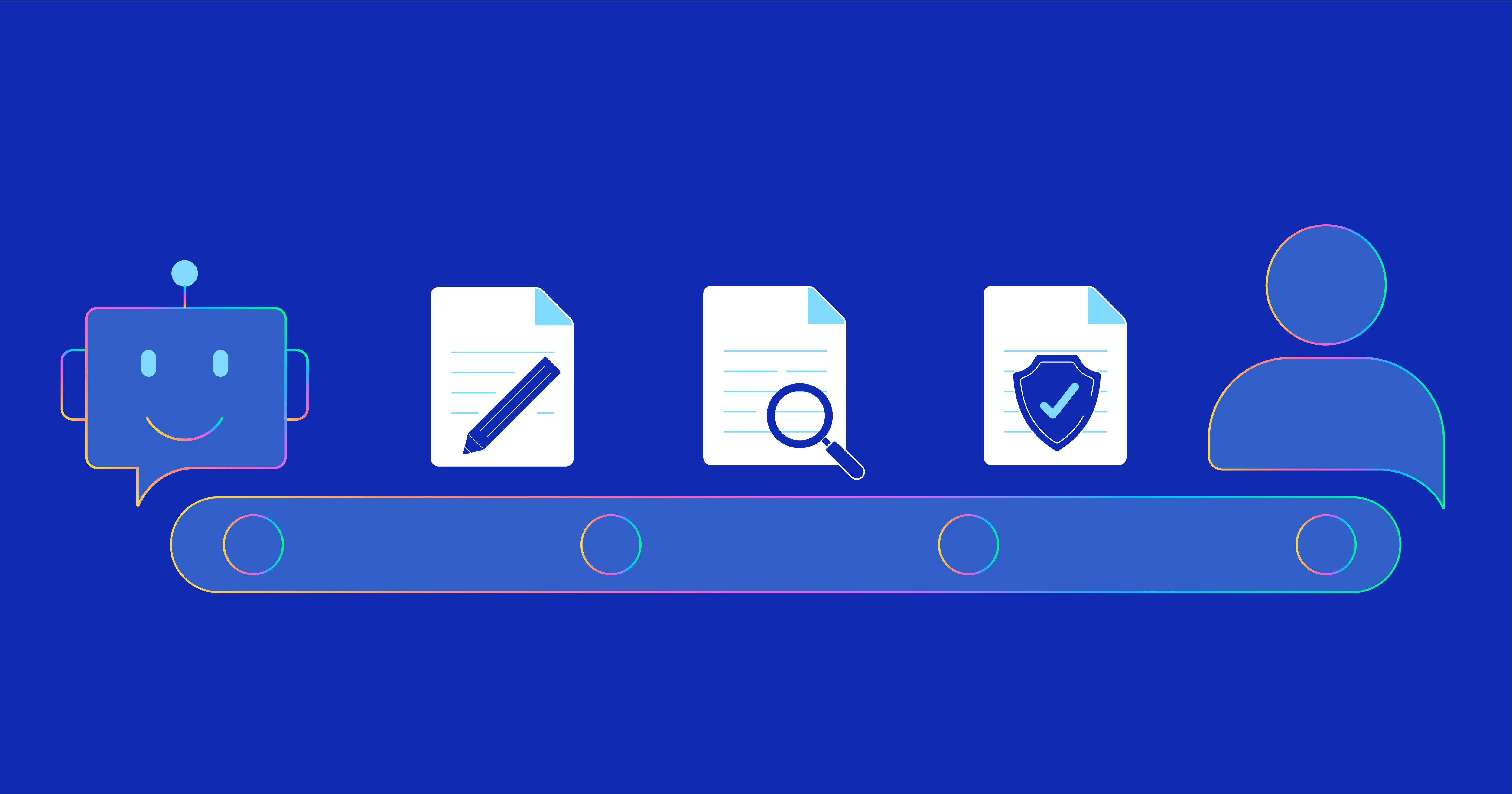
The growing use of AI in validation raises the stakes. AI can already help users work with documents — generating content, summarizing information, or reviewing an individual record. But its potential becomes much greater when AI can operate within governed context and use established relationships across validation activities.
Consider the difference between asking AI to summarize an equipment qualification record and asking: “If the product-contact surface area for this equipment changes, what downstream validation activities should be evaluated for impact?” The first is primarily a document task. The second requires an understanding of relationships among equipment, processes, risks, requirements, calculations, tests, evidence, cleaning activities, qualification, and change. AI needs governed context, not simply more documents.
The Next Question for Digital Validation
The industry's move from paper to electronic validation has delivered important gains in standardization, execution, traceability, and control. But these advances should not be mistaken for the endpoint of digital transformation. Greater digital maturity comes from connecting the governed data and knowledge so they retain their context and value across the lifecycle.
That progression matters because life sciences organizations already create enormous amounts of valuable validation knowledge. The next opportunity is to connect, govern, and reuse that knowledge across lifecycle boundaries instead of repeatedly reconstructing it.
So perhaps the next digital validation question should no longer be, “Are our validation processes digital?” It should be: “Can our validation data and knowledge travel across activities, sites, and lifecycle stages — and remain connected when something changes?”


Table of Contents


Related Blog Posts
.webp)